
The transformation of gambling through the ages a historical overview
Ancient Beginnings of Gambling
The origins of gambling can be traced back to ancient civilizations, where games of chance were often integrated into cultural rituals and practices. Archaeological evidence suggests that as early as 3000 BC, Chinese players engaged in games resembling modern-day dice. These early forms of gambling were not only used for entertainment but also served as a means to predict outcomes or invoke favor from deities. Players today can explore similar excitement at www.pirate-spins.co.uk/, which captures the spirit of this long tradition.
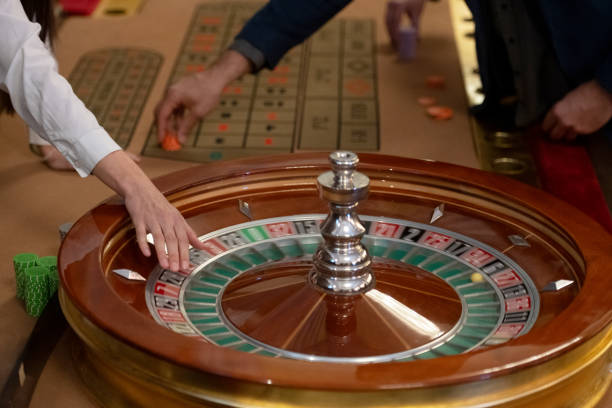
Similarly, ancient Rome and Greece incorporated gambling into their social fabric. The Romans introduced betting on gladiatorial games and chariot races, while the Greeks enjoyed betting on the outcomes of athletic competitions during the Olympic Games. These practices laid the groundwork for structured gambling, as rules began to evolve to regulate bets and ensure fairness.
The Middle Ages and the Rise of Gaming Houses
The Middle Ages witnessed a significant transformation in gambling culture, particularly in Europe. During this time, the establishment of gaming houses became popular, providing venues where individuals could gather to play games of chance. This period also saw the advent of card games, which originated in Asia and made their way to Europe, diversifying the options available to players.
However, gambling faced social scrutiny during the Middle Ages, often associated with vice and moral decay. Authorities sought to regulate and control the practice, leading to a patchwork of laws governing gambling activities. Despite this, the popularity of gaming houses continued to grow, paving the way for modern casinos in the following centuries.
The Enlightenment and Formalization of Gambling
The Enlightenment era marked a pivotal moment in the history of gambling, as the concept of probability began to take shape. Mathematicians such as Blaise Pascal and Pierre de Fermat explored the mathematical principles behind games of chance, leading to a greater understanding of odds and betting strategies. This intellectual curiosity contributed to the development of more sophisticated gambling games, such as roulette and baccarat.
During this period, gambling also became more organized, with the establishment of official lotteries and state-sponsored betting games. Governments began to see gambling as a potential source of revenue, leading to a boom in legalized gaming activities. This shift further legitimized gambling in society, transforming it into a mainstream form of entertainment.
The 20th Century: The Casino Boom
The 20th century heralded a new era for gambling, characterized by the rise of large-scale casinos and the expansion of gambling into popular culture. Las Vegas emerged as the gambling capital of the world, attracting millions of visitors eager to partake in its vibrant gaming scene. The introduction of slot machines and electronic gaming devices revolutionized the industry, making gambling more accessible to the masses.
Moreover, the legalization of gambling in various jurisdictions fueled the growth of resorts and casinos, offering entertainment beyond just gaming. The integration of dining, shows, and nightlife transformed casinos into comprehensive entertainment destinations, appealing to a broader audience and solidifying their place in modern culture.

Modern Gambling and the Digital Age
The advent of the internet has dramatically reshaped the gambling landscape, giving rise to online casinos and virtual gaming platforms. Players can now enjoy their favorite games from the comfort of their homes, leading to a significant increase in the global gambling market. Innovations such as live dealer games and mobile betting have further enhanced the user experience, blending traditional gambling with cutting-edge technology.
Websites like Pirate Spins Casino exemplify the modern approach to online gaming, offering a diverse selection of games and generous bonuses. With a strong focus on player security and user-friendly interfaces, such platforms cater to both seasoned gamblers and newcomers alike. As technology continues to evolve, the future of gambling promises to be even more dynamic, integrating advancements that keep pace with the changing preferences of players.

